
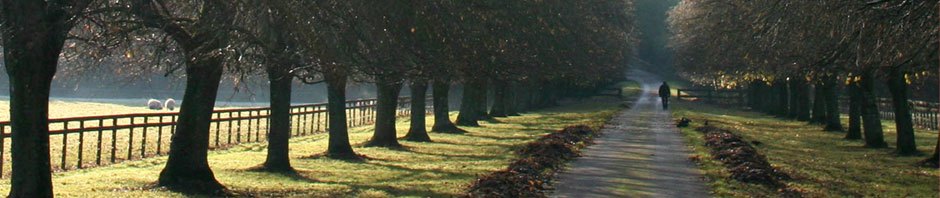
Recently my son Ben posted this quote by Walt Whitman on his Linkdin page and invited readers to reflect on what they have learned on their “disputed passage”
“Have you learned lessons only of those who admired you, and were tender with you, and stood aside for you? Have you not learned the great lessons of those who rejected you, and braced themselves against you? or who treated you with contempt, or disputed the passage with you?” — Walt Whitman
This is a topic many of us expend energy avoiding and indeed I don’t like thinking about people who have hurt and angered me, much less the messes I created myself. I also don’t like thinking about events in my life I regret. Zen Buddhists as well as Stoics would challenge us to recognize the potential lesson present in any negative event.
When someone hurts or offends you, you have a choice. You can try to minimize it (“Who cares what N. thinks about me?”) I tried this on many occasions such as when I heard another psychologist had been referring to me as “eccentric” or when a church official labelled me “an enemy of the Church.”.
We can also allow the hurt to fester into a resentment. Sometimes we are not even aware of how much resentment we carry. Once a friend sensed my issues with resentment and recommended this exercise:
“Imagine you are sitting on a dock watching a ship approaching. As the ship nears you realize you know people on the ship. As the ship docks and people disembark, you realize they are all people toward whom you hold a resentment.”
When he suggested this I thought “OK. I’ll do that. Probably there will be 3 or 4 people.” I decided to write down names of those getting off the boat. I quit writing after filling two columns on a legal pad. And there were still people getting off the boat!
We can do other things like retaliate, perhaps with harsh words or actions. Perhaps even with violence. We can also wallow in self-pity. As one man once told me “I am the opposite of King Midas. Everything I touch turns into shit!”
What Whitman’s words suggest, however, is that we also have the option of turning the hurt into a learning. We can approach these “disputed passages” as opportunities for growth. I may not have had control over the hurtful events but I do have control over my response.
This does not mean that we allow ourselves to be someone’s emotional punching bag so that we might learn something. For some hurts, the learning may be that I need stronger boundaries or even that I learn to walk away.
Sometimes, though, a disputed passage invites me to look at myself with a critical eye. As the 12 Step program says, when we point a finger at someone, the other fingers point at us. Thus we may need to ask ourselves “What role did I play in this event?” A word of caution, however. When it comes to matters of physical, sexual, and emotional abuse, too often the victim will blame themselves. The challenge of those disputed passages is for the victim to accept that he/she did nothing to bring on the attack.
In most of the disputed passages on my own list, I brought them on myself. The disputed passage (e.g., almost flunking out of graduate school), challenged me to take responsibility for my own behavior instead of blaming others.
Finally, some disputed passages just happen. They are not brought on by anyone. They just happen. Illness is an example. Some people, when faced with a diagnosis, become bitter, resentful, even angry with God. Others become depressed and withdrawn. But even then we are faced with the option of choosing how we will respond. I have been fortunate to have sat with persons facing life-threatening illnesses who taught me much about facing the ultimate disputed passage.
There is a Zen story about a man who injured his leg with an axe. As he tried to treat the wound, he became angry, blaming the maker of the axe, the quality of the wood he was chopping, berating himself for being stupid and so on. A Zen master came by and saw the wounded man and assisted him in binding the wound. The man began to vent his anger and blame. The Zen master told him that life had shot him with an arrow when he injured his leg. “But now you are shooting yourself with another arrow” by which he meant the bitterness and anger the man was feeling. The man may have had no control over being shot by the first arrow but had control over hot shooting the second one.
Whitman would agree with the Zen tale. Life being what it is, we are shot with arrows, disputed passages. But we take each arrow, each disputed passage, as an opportunity to grow.

